
"feeding time"
1000 article(s) found

Why Ruixing Coffee applied for multiple trademarks of "Ruixing Cat" Ruixing new thick milk latte endorsement
Recently, Ruixing Coffee has applied for a number of Ruixing cat trademarks, according to Sky Eye APP. According to the data of Sky Eye, Ruixing Coffee (China) Co., Ltd. applied for registration of Ruixing cat trademark, which is classified internationally as feed seed, convenience food, catering and accommodation, etc. At present, the trademark status is under trademark application. It's worth noting that this isn't the first time Lucky Coffee has involved cat elements.

How to minimize the waste of coffee? How to use coffee grounds in the waste of coffee
Professional coffee knowledge exchange more coffee bean information Please follow the third wave of coffee in coffee workshops (Wechat official account cafe_style). Apart from the excellent coffee itself, it is also ethical for the coffee industry. Boutique coffee focuses on tracing back to the source. We can help coffee-producing countries by buying every delicious cup of coffee. But it turns out that the process of growing coffee is not very thorough.

The basic knowledge of Fine Coffee Culture and the History of Coffee
African shepherds discovered strange coffee fruits on the plateau in about 500 AD. Since then, humans have known coffee. Coffee was planted in Arabian Peninsula and used as medicinal and religious feed. Coffee was introduced into Europe from Venice, Italy, in 1554. The colorful European coffee culture began to be born in 1616. Coffee was spread to the Netherlands from the port of Mocha.

Turkish coffee
Although Turkish coffee was first introduced from Yemen, Turkey was the first nation to secularize coffee drinks. When Turkish Ottoman soldiers fought in Europe, they left behind several sacks of coffee. Europeans originally thought it was camel feed. Later, they found that these small beans were refreshing agents for Turkish soldiers and tasted good. Therefore, western countries became addicted to coffee.
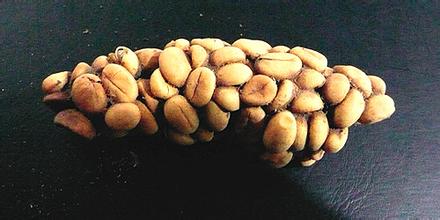
Introduction to fine coffee: Civet coffee is also known as "cat poop coffee"
Cat poop coffee is produced from the feces of Indonesian coconut cats (a civet cat), so it is called cat poop coffee. This kind of animal mainly feeds on coffee beans. After fermentation in the coconut cat stomach, protein is destroyed, short peptides and more free amino acids are produced, the bitter taste of coffee will be reduced, and the feces discharged will be the main raw material. Since coffee beans cannot be digested, they will be digested.

The Development of Coffee the Cultural and Historical Development of Fine Coffee
African shepherds discovered strange coffee fruits on the plateau in about 500 AD. Since then, humans have known coffee. Coffee was planted in Arabian Peninsula and used as medicinal and religious feed in 1554. Coffee was introduced into Europe from Venice, Italy. The colorful European coffee culture began to be born in 1616. Coffee was spread to the Netherlands from the port of Mocha.

The history of coffee development human beings have known coffee ever since.
African shepherds discovered strange coffee fruits on the plateau in about 500 AD. Since then, humans have known coffee. Coffee was planted in Arabian Peninsula and used as medicinal and religious feed. Coffee was introduced into Europe from Venice, Italy, in 1554. The colorful European coffee culture began to be born in 1616. Coffee was spread to the Netherlands from the port of Mocha.

What is black ivory coffee? Have you ever heard of black ivory coffee?
Professional coffee knowledge exchange more coffee bean information please follow the coffee workshop (Wechat official account cafe_style) "Black Ivory coffee" produced in Thailand, the price per kilogram is as high as NT $33,000, a cup of black ivory coffee can cost up to US $50 (about NT $1500), pulling down about US $400 per kilogram (about NT $12,000), ranking the most expensive
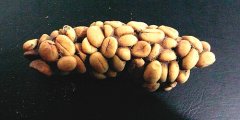
Civet Fine Coffee beans introduce the characteristics of civet coffee the taste of civet coffee
Kopi Luwak is produced by the feces of Indonesian coconut cats (a kind of civet) as raw materials, so it is called Kopi Luwak. This kind of animal mainly feeds on coffee beans. After completing fermentation in the coconut cat's stomach, it destroys proteins, produces short peptides and more free amino acids, reduces the bitterness of coffee, and then excretes feces as the main raw material. Because coffee beans cannot be digested, they will be excreted.
The origin of Kopi Luwak what is the civet coffee price death wish coffee Vietnamese civet coffee
Civet is a nocturnal animal that lives in the jungle and eats very little. Coffee beans produced by wild civets are very rare. Only in captivity can more Kopi Luwak be obtained. Some unscrupulous traders keep this animal in a narrow cage.

The practice of Musk Cat Coffee how to make coffee to drink fine coffee
Coconut cats are omnivores. In addition to eating seeds, they also eat insects, snakes, birds, amphibians and reptiles, so the feces discharged by really wild coconut cats will be mixed with all kinds of substances. Local farmers in Indonesia catch coconut cats to raise them and feed coffee beans to make them. But after all, there are some differences between artificial cultivation and natural ones. Civet coffee

How to reduce the environmental pollution and waste of resources in coffee cultivation?
Professional coffee knowledge exchange more coffee bean information please follow the coffee workshop (Wechat official account cafe_style) the third wave of coffee trend, in addition to the coffee itself is great, but also the coffee industry ethics, boutique coffee focuses on tracing the source, we can buy every cup of delicious coffee to help coffee-producing countries. But it turns out that the process of growing coffee is not very thorough.

Turkish coffee was first introduced from Yemen.
Although Turkish coffee was first introduced from Yemen, Turkey was the first nation to secularize coffee beverage. at that time, soldiers of the Ottoman Empire of Turkey fought in Europe and left several sacks of coffee when they retreated. Europeans originally thought it was camel feed. Later, it was found that these beans were refreshing agents for Turkish officers and soldiers, and they tasted good, so Western countries became addicted to coffee.
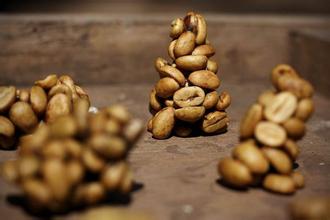
The latest introduction of boutique coffee beans, civet coffee, fine coffee
Kopi Luwak is produced by the feces of Indonesian coconut cats (a kind of civet) as raw materials, so it is called Kopi Luwak. This kind of animal mainly feeds on coffee beans. After completing fermentation in the coconut cat's stomach, it destroys proteins, produces short peptides and more free amino acids, reduces the bitterness of coffee, and then excretes feces as the main raw material. Because coffee beans cannot be digested, they will be
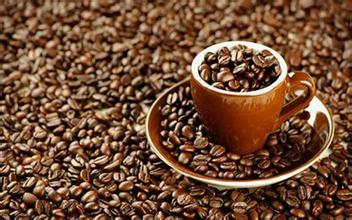
Vietnam Kopi Luwak _ Vietnam Kopi Luwak Price legendary Kopi Luwak from Vietnam
Kopi Luwak is made in Indonesia. In the early 18th century, the Dutch established coffee plantations in the Indonesian colonies of Sumatra and Java, and banned locals from picking and eating their own coffee fruits. Indonesian locals inadvertently found that civets love to eat these coffee fruits and will drain the beans intact when defecating. The civet can only pick the most.

Civet coffee boutique coffee beans the latest coffee information and introduction
Civet Coffee (Kopi Luwak), native to Indonesia. It is one of the most expensive coffee in the world, with a price of several hundred dollars per pound. It is extracted from the feces of the civet and processed. The civet eats the ripe coffee fruit and is excreted through the digestive system. After it is fermented through the stomach, the coffee produced has a special taste and has become a grab in the international market.
How does the civet coffee taste?
Kopi Luwak is made in Indonesia. In the early 18th century, the Dutch established coffee plantations in the Indonesian colonies of Sumatra and Java, and banned locals from picking and eating their own coffee fruits. Indonesian locals inadvertently found that civets love to eat these coffee fruits and will drain the beans intact when defecating. The civet can only pick the most familiar.
The characteristics of boutique cat shit coffee beans the origin of Kopi Luwak how much is Kopi Luwak how much is a jin of Blue Mountain Coffee
Kopi Luwak is made in Indonesia. In the early 18th century, the Dutch established coffee plantations in the Indonesian colonies of Sumatra and Java, and banned locals from picking and eating their own coffee fruits. Indonesian locals inadvertently found that civets love to eat these coffee fruits and will drain the beans intact when defecating. The civet can only pick the most familiar.

Indonesian cat shit coffee flavor taste region Manor introduction Sumatra coffee region Rasuna Wahana
In particular, Indonesia has a special animal in the mountains: the civet, because it makes Indonesia produce one of the world's most expensive coffees-civet coffee, also known as cat poop coffee. The cat loves coffee berries, and the hard coffee beans end up being excreted because they can't be digested. During its passage through the digestive tract, coffee beans undergo fermentation to produce a unique and complex

How much is Kopi Luwak? the value of a cup of Kopi Luwak comes from the unique "planting" way.
Professional baristas Please follow the Coffee Workshop (Wechat official account cafe_style) Kopi Luwak, which has been named as the top 10 most expensive coffee in the world, is of course valuable, and its uniqueness lies not only in its taste, but also in its planting method. Kopi Luwak (Kopi Luwak) is produced in Indonesia, also known as civet coffee. Indonesian civet (Luwak) has eaten coffee, cherry berries, coffee